It happens every summer. During a heat wave, the food bowl that usually gets cleaned in minutes suddenly stays half full. Your cat walks over, sniffs dinner, takes a few bites, and wanders off.
Naturally, you start wondering: is something wrong?
In many cases, probably not. Hot weather can change when cats want to eat, how much they eat, and how appealing their food feels throughout the day. The key is understanding why it happens, and knowing when it’s just a seasonal change versus a sign that something more serious may be going on.
1.Warm weather can make cats less hungry
Cats are surprisingly efficient at conserving energy. During warmer months, they may become less active, spend more time resting, and burn fewer calories overall. That can lead to them eating less.
You might notice your cat sleeping more than usual, eating smaller portions, or showing more interest in food during cooler parts of the day. For many healthy cats, this is just a normal seasonal adjustment.
If you also notice your cat drinking less, keep in mind that hydration and appetite are connected. Offering fresh water and wet food can help support both (but that’s a topic for our summer hydration guide).
2.Your cat might just be eating at different times
This is one of the biggest misconceptions about summer appetite changes.
Many cats don't actually stop eating when the weather gets hot. They're just more selective about when they eat. Instead of a full meal at noon, they may prefer early mornings, late evenings, or smaller meals spread throughout the day.
The challenge is that your cat’s preferred eating schedule doesn't always match yours. If you're at work, running errands, or away for the weekend, it becomes harder to serve fresh meals right when your cat wants them.
3.Wet food doesn’t stay appealing for long in the heat
Cats rely heavily on their sense of smell when deciding whether food is worth eating. Fresh wet food has a strong aroma that attracts them. But once that food sits at room temperature for a while, things start to change. It starts to dry out. The smell becomes weaker. The meal simply becomes less appealing.
If you're not home to swap out old food for fresh, a wet food feeder can help. High-tech products like
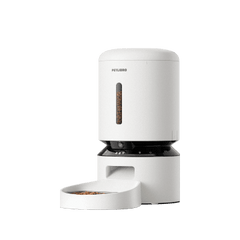
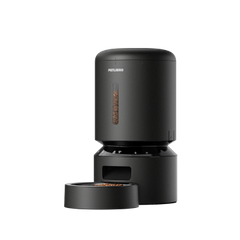
The Polar Smart Wet Food Feeder keeps meals cool until your cat is ready to eat, so it's always fresh and tasty.
4.Summer schedules make feeding more complicated
Summer tends to disrupt routines. Weekend trips, long evenings out, vacation plans, spontaneous day trips, you name it. Life gets busier, and your cat likely won't adjust their meal schedule to match yours.
For cats that eat wet food, this creates a unique challenge. Unlike dry food, wet meals are not meant to sit out for hours waiting to be eaten. Owners often find themselves choosing between serving food early and hoping it stays fresh, rushing home to serve dinner, or skipping wet food altogether when schedules get busy. None of those options are ideal.
A smarter way to keep wet food fresh
This is where a dedicated wet food feeder makes a real difference.
The Polar Smart Wet Food Feeder is designed specifically for cats that eat fresh food. It uses semiconductor cooling technology to help keep up to three meals fresh for up to three days, without requiring ice packs. Before each scheduled meal, cooling pauses temporarily so food can be served at a more comfortable temperature, making it more appealing than food served directly from refrigeration.
You can schedule meals through the app, and the food‑grade stainless steel bowl is durable, hygienic, and dishwasher‑safe. Most importantly, Polar helps make fresh wet food available when your cat is actually ready to eat, not just when you're available to serve it.
When should you be concerned?
A small decrease in appetite during hot weather is often normal. However, it's worth contacting your veterinarian if your cat:
-
Stops eating completely
-
Refuses food for more than 24 hours
-
Appears unusually lethargic
-
Vomits repeatedly
-
Experiences noticeable weight loss
These signs may point to something more serious than seasonal appetite changes.
Final Thoughts
Your cat isn't always being picky. Sometimes they're just eating less because it's warmer out.
Hot weather can change when cats eat, how much they eat, and how appealing food remains throughout the day. Understanding those changes can help you care for your cat more effectively, and worry a little less when they don't eat as much as they did in cooler months.
And sometimes, helping your cat eat more isn't about changing the food. It's just about keeping it fresh until they're ready for it.